

On 7 October 2026, at BT Stup in Bucharest, #B2Com – Strategic Technologies for the Economy of the Future, organised by the Măgurele Science Park Association (MSP), brought together companies, technology developers, researchers and organisations supporting innovation.
The objective was clear: to bring technologies developed in Romania closer to real business needs, market applications and the partnerships that can accelerate their development and commercialisation.
The event followed a common pathway: Technology → Application → Market → Partnership → Impact.
Why do strategic technologies matter?
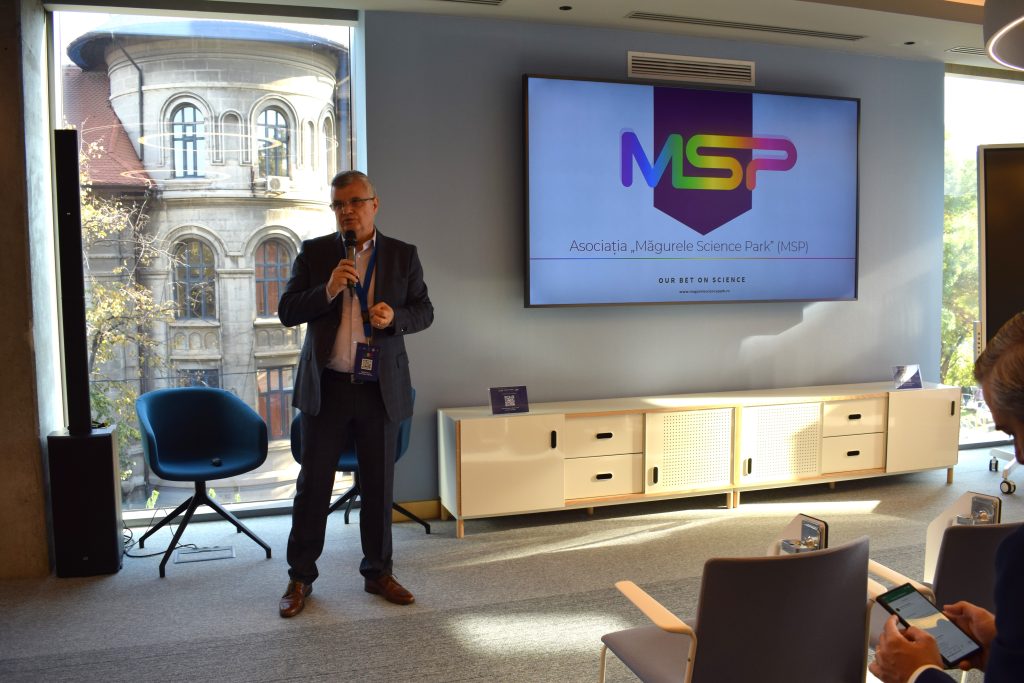


In his opening remarks, Mădălin Ioniță, Executive Director of the MSP Association, emphasised that technological development should be assessed not only through funding or laboratory results, but also through its economic and societal impact.
In a context shaped by challenges related to security, competitiveness and skills shortages, the development of critical technologies and collaboration across the RDI ecosystem are increasingly important. National and European support opportunities are available, but turning them into tangible results requires clear objectives, management capacity and active engagement from businesses.
Section MSP Technology Lightning Session — Technologies addressing real challenges
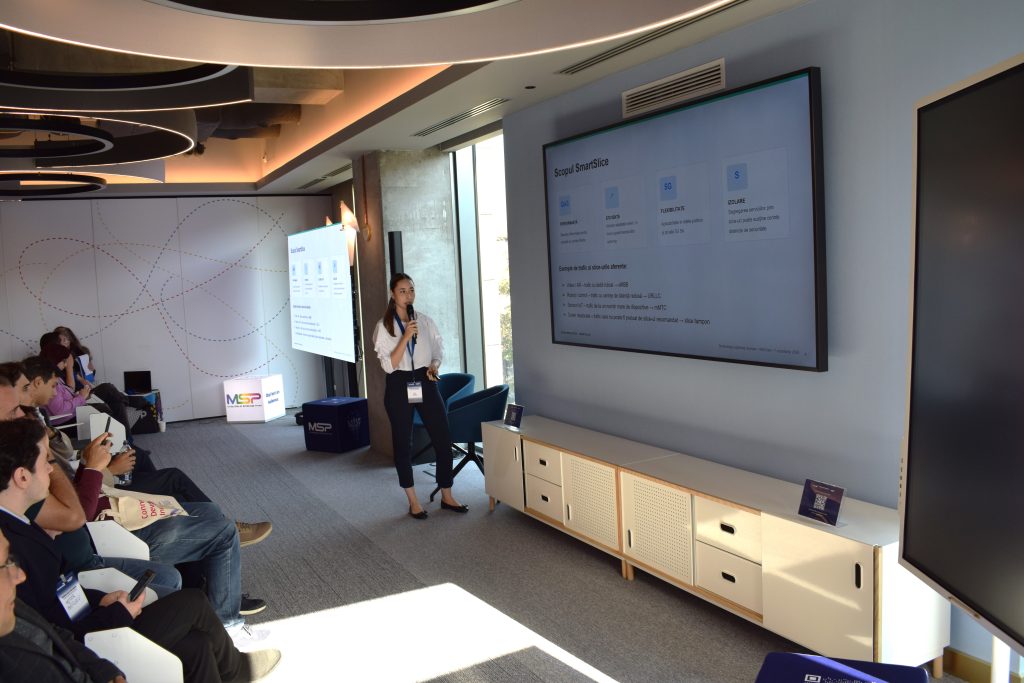
Nine presentations from the MSP technology community showcased a diverse range of solutions and their potential applications:
- BI-FORE presented an AI-based electricity consumption forecasting solution, highlighting the importance of data and adapting technology to beneficiaries’ needs.
- Securif.ai illustrated the journey from academic collaboration to market-ready solutions for retail, HSSE and smart cities, including AI-based video analysis to help identify bullying situations in schools.
- FIA Integra showcased solutions for integrating, contextualising and analysing industrial data in real time.
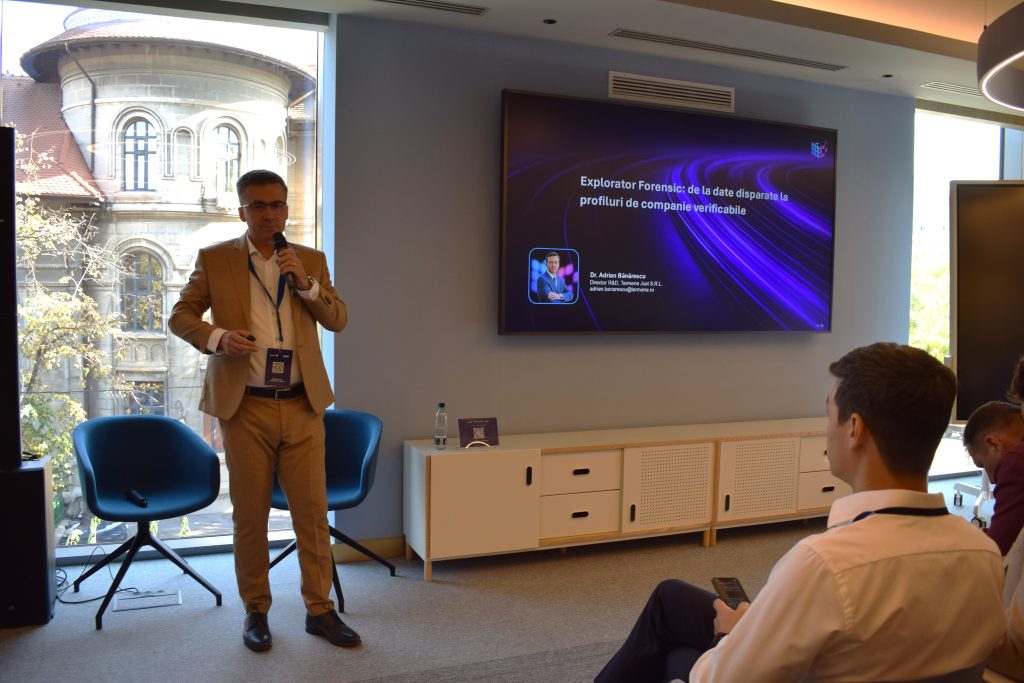
- Termene.ro demonstrated how company data can be transformed into reliable, verifiable information to support decision-making, using controlled AI applications.
- Forcelift presented intelligent automation solutions for warehouses and production processes, combining autonomous mobile robots with fleet management software.
- Beam Innovation highlighted dynamic resource allocation in Edge-Cloud networks and the need for partners to support testing and pilot projects.
- Jobful showcased software solutions for community development, communication and content creation, demonstrating how automation can streamline business activities.
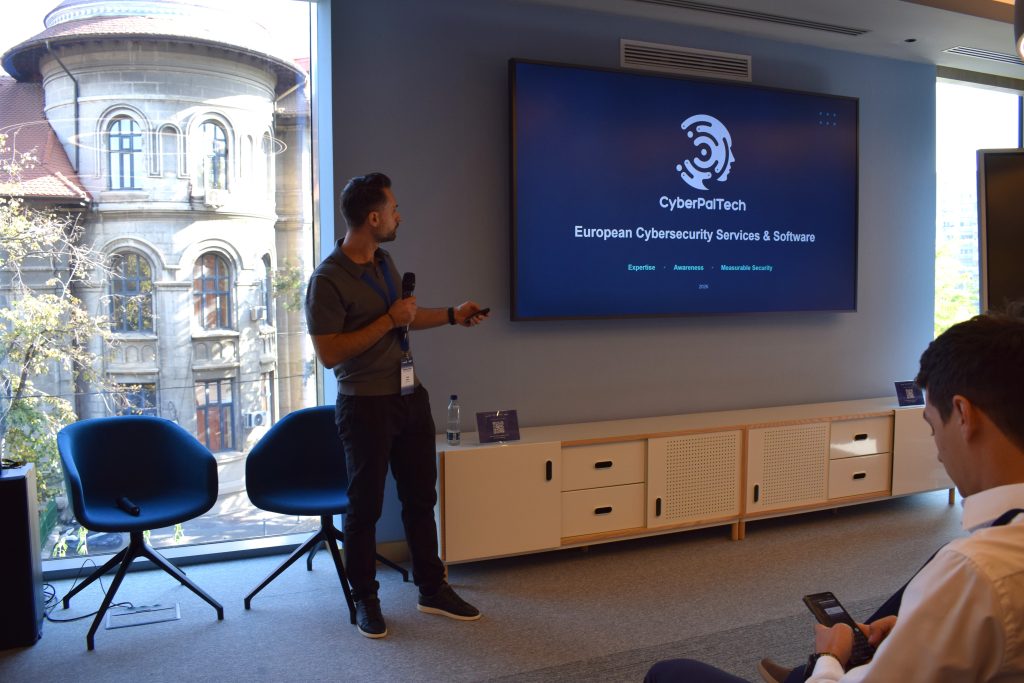
- CyberPal Tech highlighted the role of cybersecurity tools and services in identifying vulnerabilities and managing digital risks.
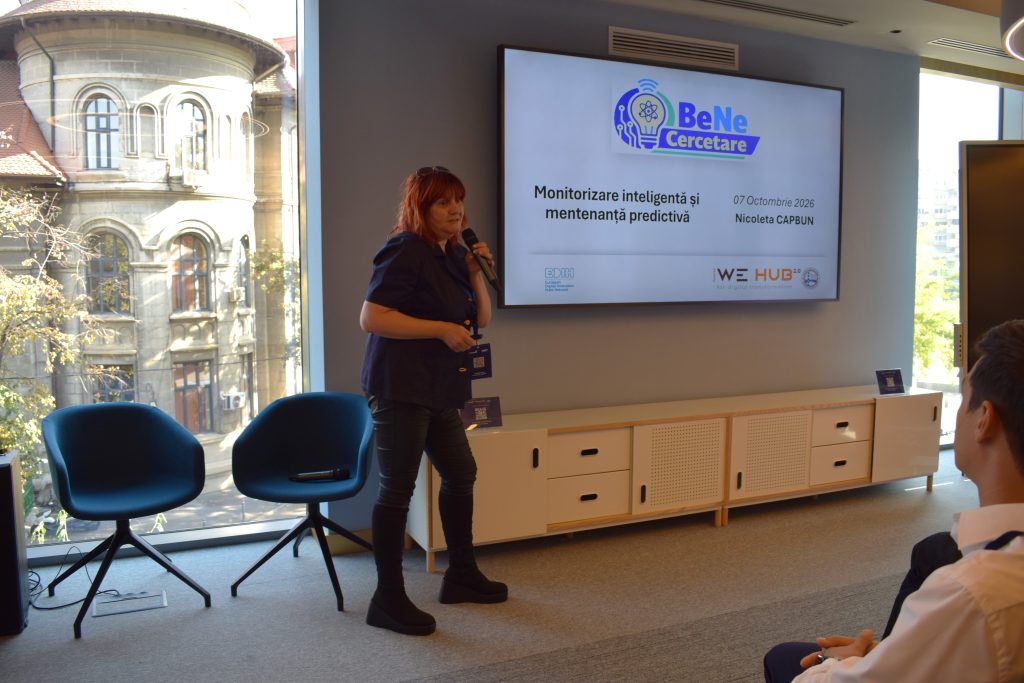
- BENE Cercetare presented research and innovation activities in digitalisation, artificial intelligence and preventive maintenance using sensor-based solutions.
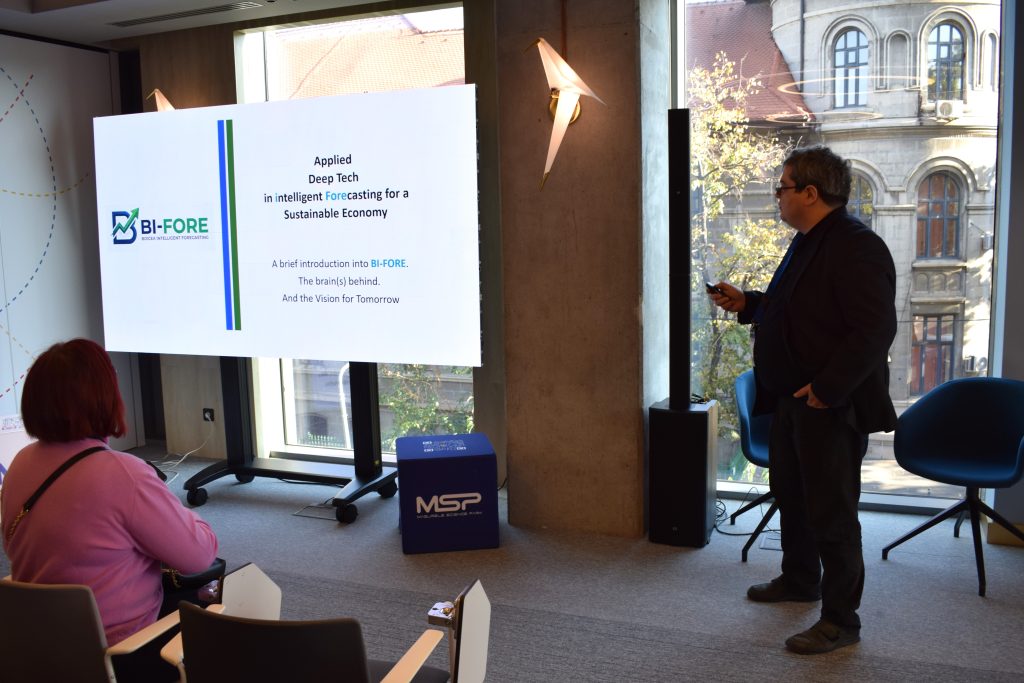

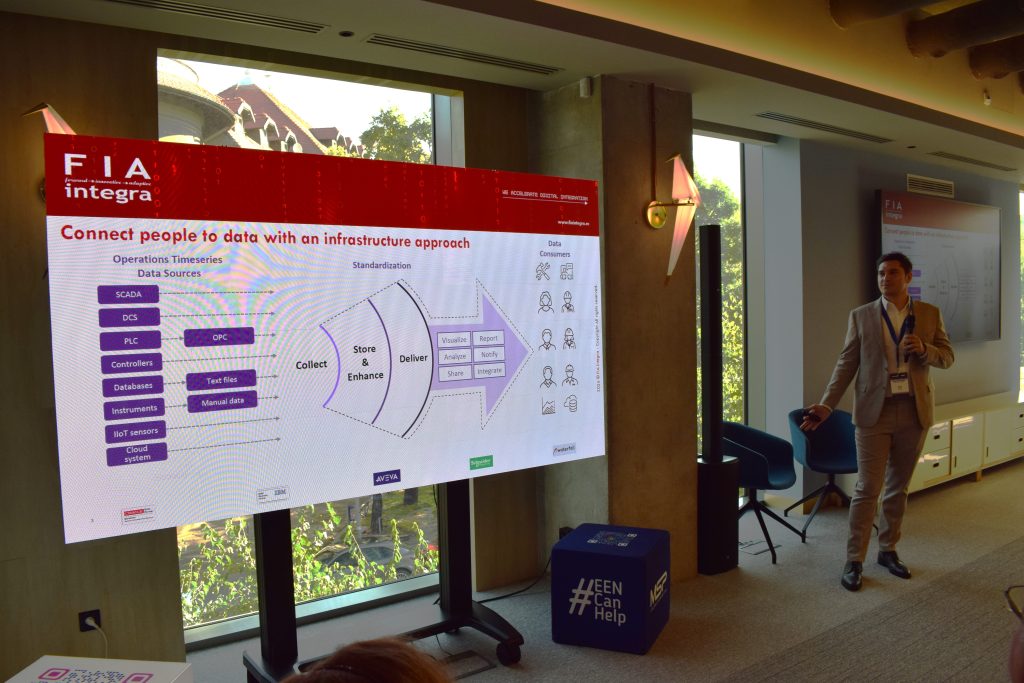
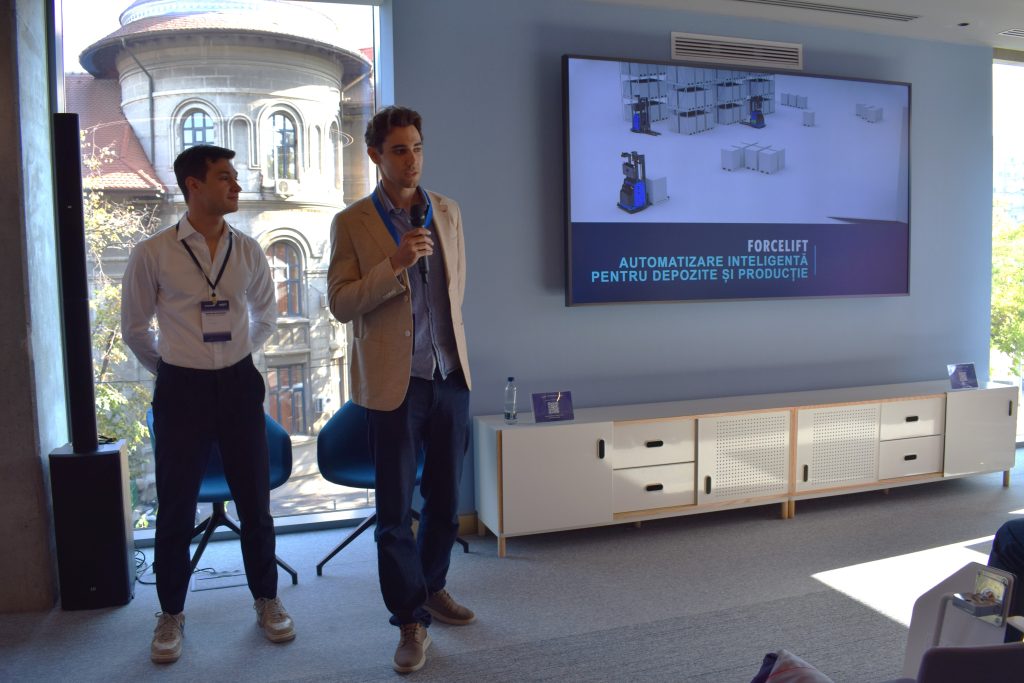

Together, these presentations reinforced a common message: promising technologies need validation, integration into beneficiaries’ processes and the right partners to achieve practical adoption.
Section Technology Use Cases — From research to real-world applications
The Technology Use Cases session focused on how research expertise and infrastructure can address concrete industrial needs.
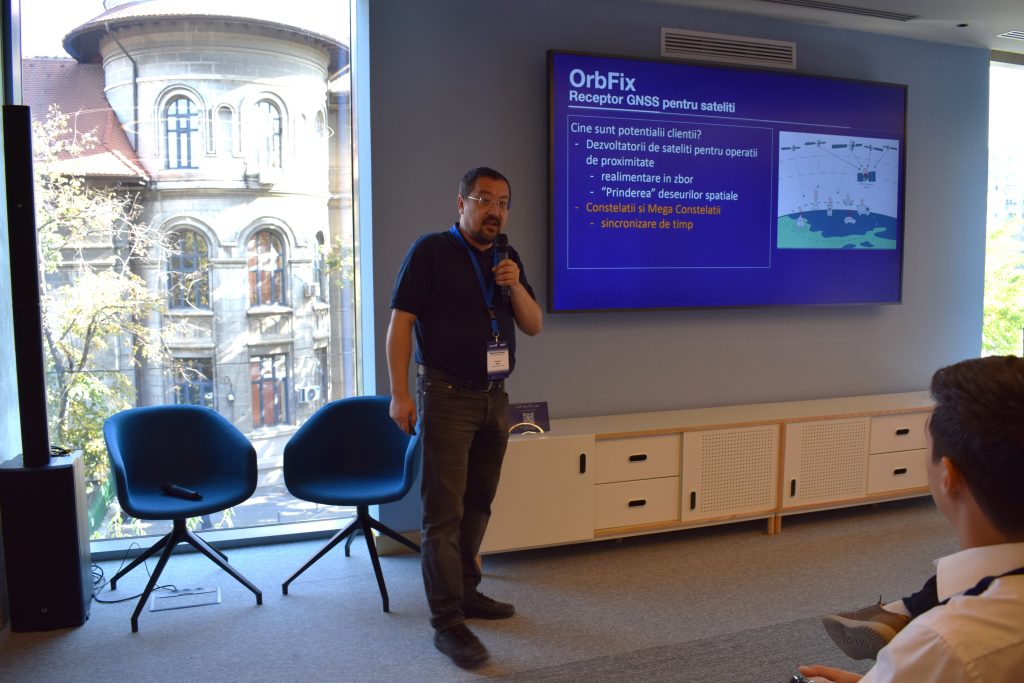
RISE – Romanian In Space Engineering, presented technologies for terrestrial and space navigation, satellite development and testing, including a GNSS receiver designed for precise positioning in low Earth orbit.
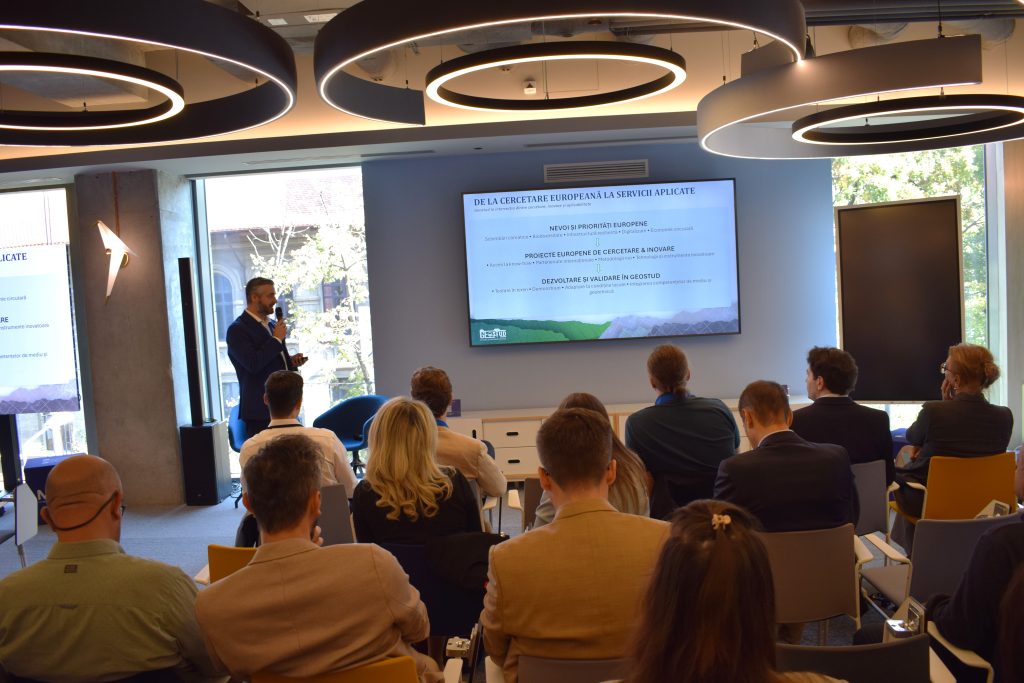
Geostud, highlighted the role of applied research in environmental protection and geotechnical services, from data collection and laboratory analysis to modelling and impact assessment.
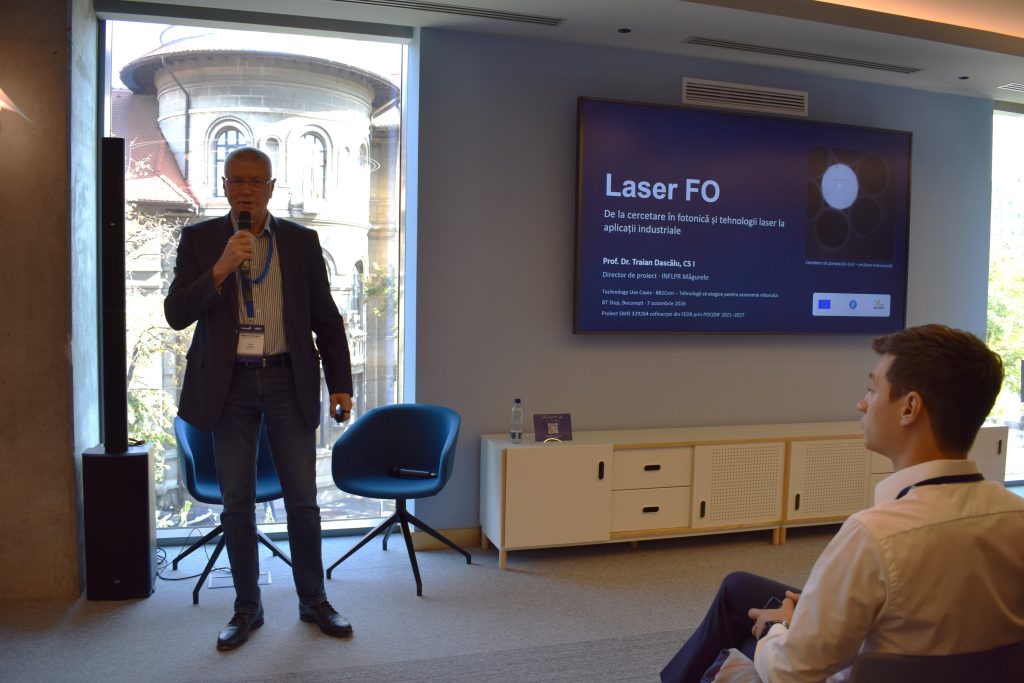
INFLPR – Laser FO, discussed the development and validation of laser technologies, underlining the importance of prototyping and collaboration with industrial partners to transfer research results into practical applications.
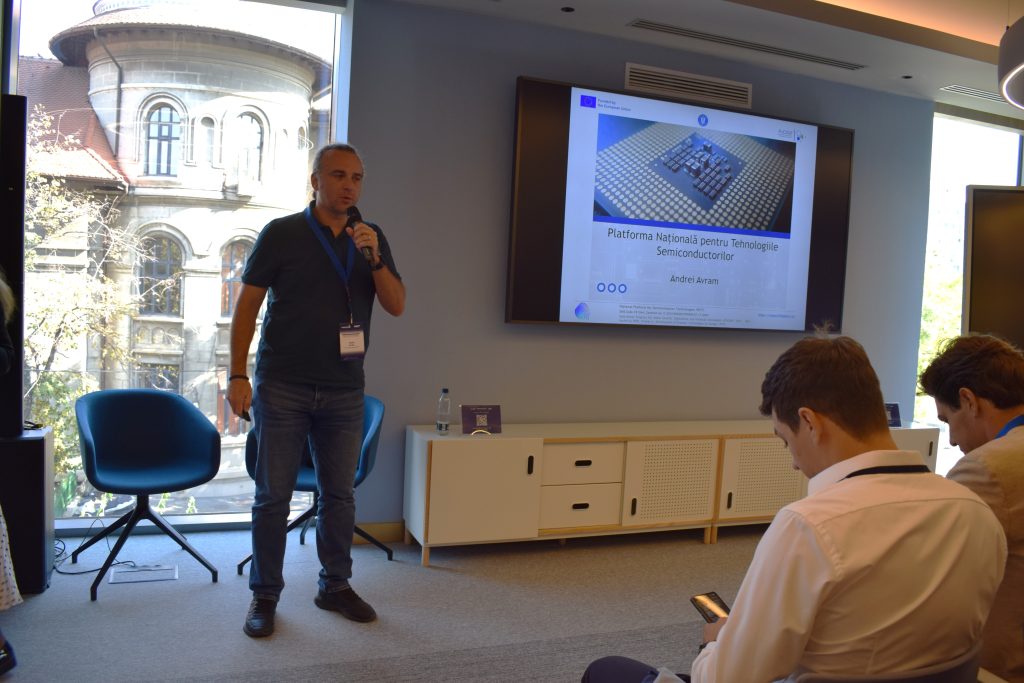
IMT Bucharest, presented the potential of the distributed PNTS research infrastructure and the Research for Industry initiative to facilitate companies’ access to semiconductor research expertise and capabilities.
Safetech Innovations addressed cybersecurity and critical infrastructure resilience, highlighting university partnerships, knowledge transfer and the development of proprietary solutions.

These examples demonstrated that involving industry early in the development process can help define requirements, validate prototypes and identify commercial applications.
Section Developing & Scaling Strategic Technologies — What turns research into solutions?
Moving a technology beyond the prototype stage requires relevant data, infrastructure, expertise, partnerships and a clear strategy for bringing results to market.
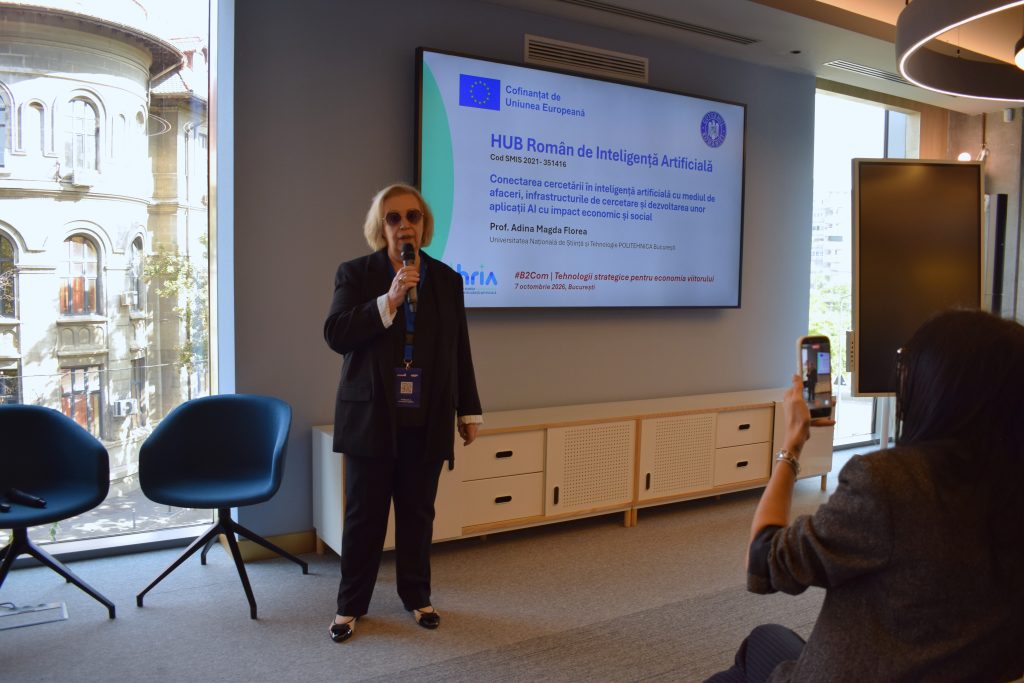
The Director of the Romanian Artificial Intelligence Hub (HRIA), UNSTPB, highlighted the importance of addressing real-world problems, using high-quality data, validating solutions under real operating conditions and building mixed research-industry teams.
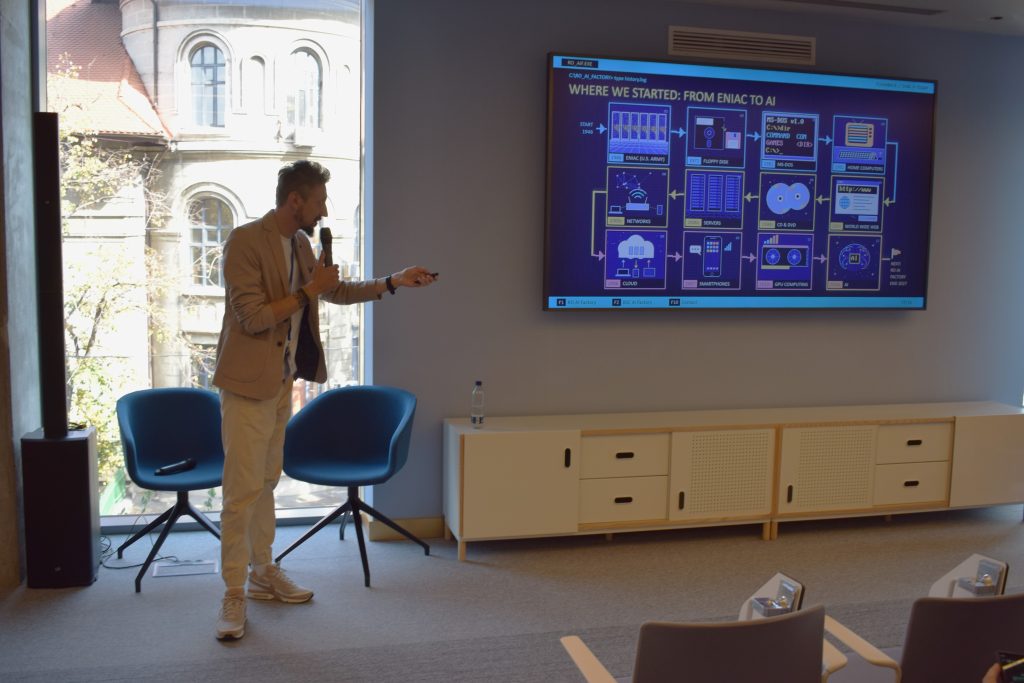
ICI Bucharest speaker, presented the role of RO AI Factory in supporting AI projects through computing infrastructure, expertise, data and guidance for organisations seeking to develop AI-based solutions.
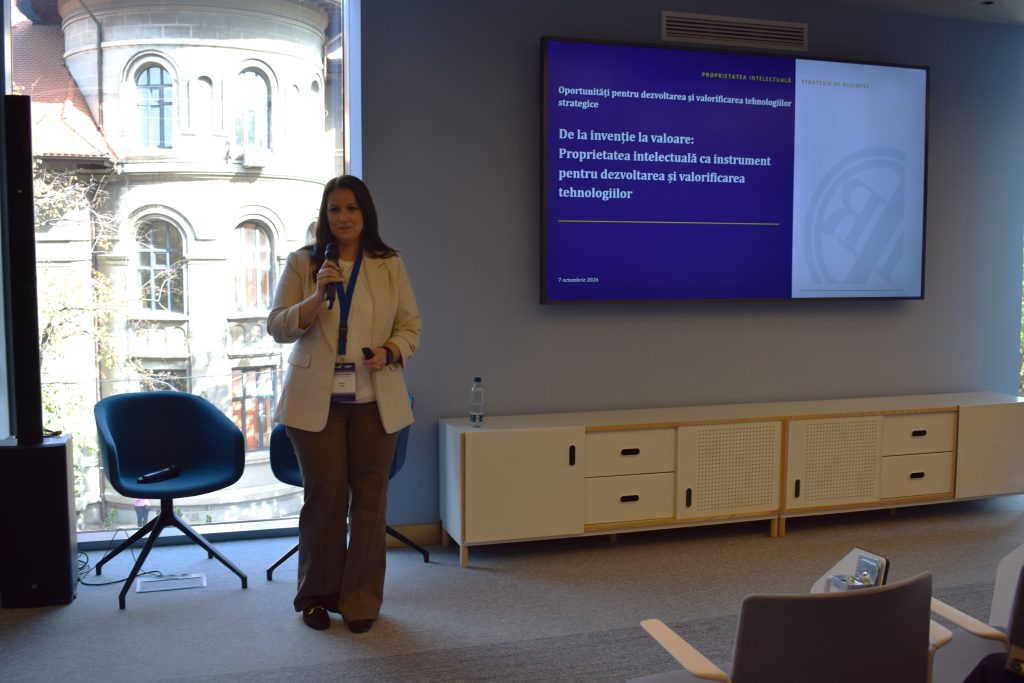
Rominvent SA, emphasised that intellectual property must be integrated into a company’s commercial strategy. A patent does not automatically generate economic value; value emerges when an invention becomes a product, is licensed or is developed through strategic partnerships.
TechUp România — Connecting R&D with production
The event also addressed TechUp România, a state aid scheme designed to connect research and development activities with investment in production.
The scheme has an indicative budget of approximately RON 5.3 billion, with financing agreements planned for 2026–2032 and aid payments for 2027–2041. It targets both early-stage enterprises and established companies with the capacity to invest in R&D centres and bring their results to market.
The scheme includes two components: research and development, with a minimum of 2 million RON in eligible expenditure, and production, with a minimum of 3 million RON. Support may take the form of a grant or a grant combined with a tax incentive.
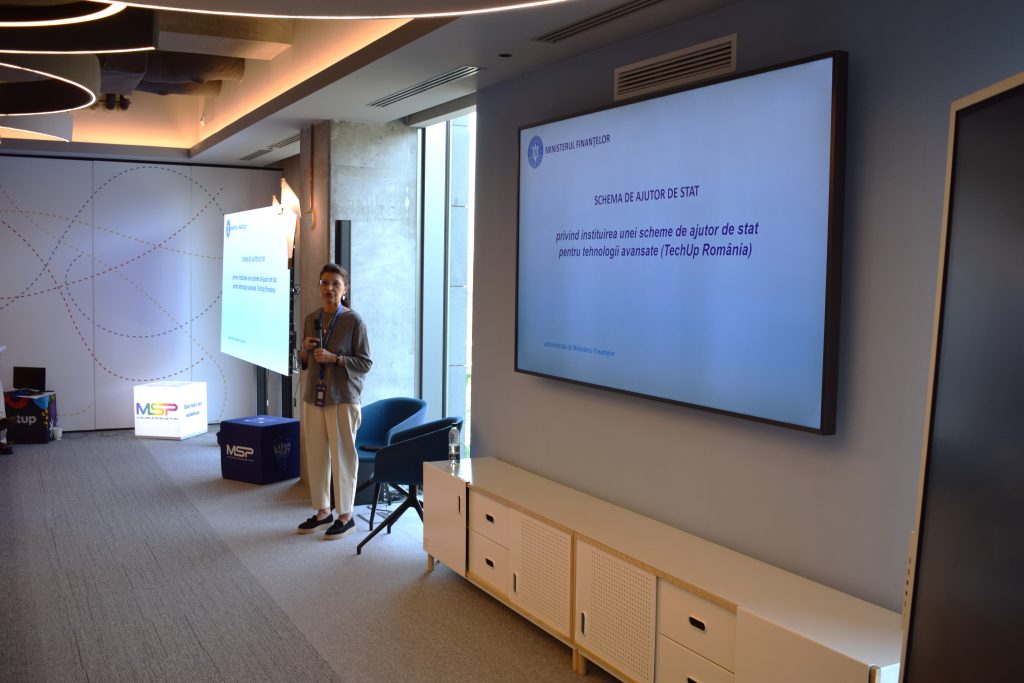
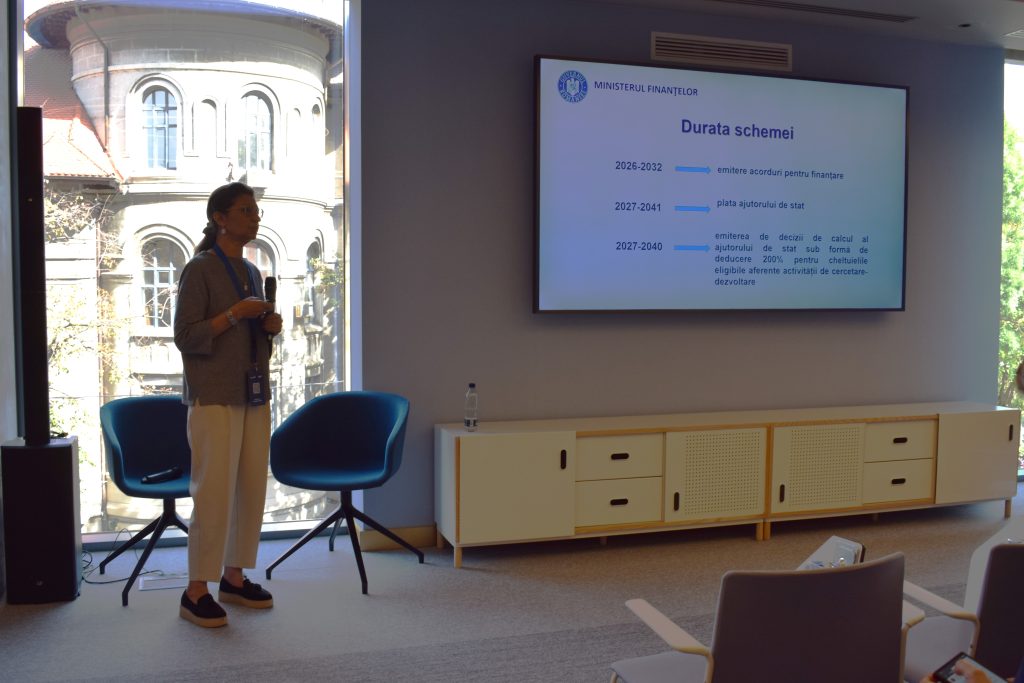
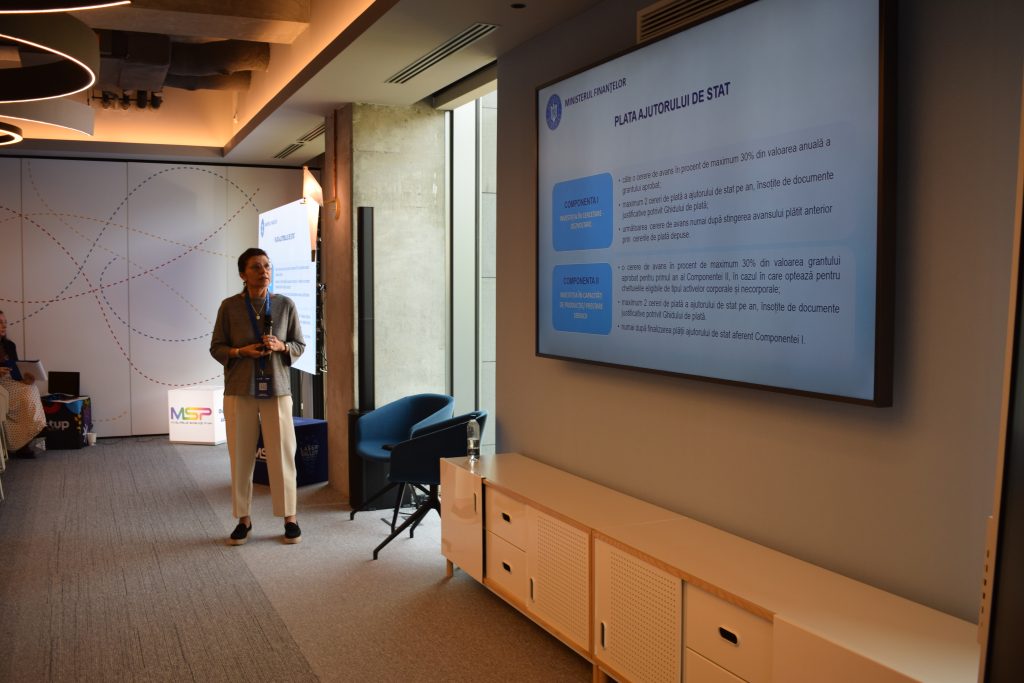
The underlying message is clear: research and production capacity need to be planned together if technological results are to generate economic value.
Section From technology to impact: what can we build together?
The discussions and examples presented at #B2Com highlighted several key conditions for developing and commercialising strategic technologies:
- Start with real problems. Technology should address a clearly defined need and create value for its intended users.
- Test and validate. Real-world data, testing and user feedback help build robust solutions.
- Engage industry early. Industrial partners can help define requirements, validate prototypes and identify market opportunities.
- Build complementary partnerships. Research organisations, companies, technology infrastructures and support organisations bring together the expertise and resources needed for development.
- Plan for commercialisation from the outset. Intellectual property, funding, production capacity and market access should be part of the development strategy.
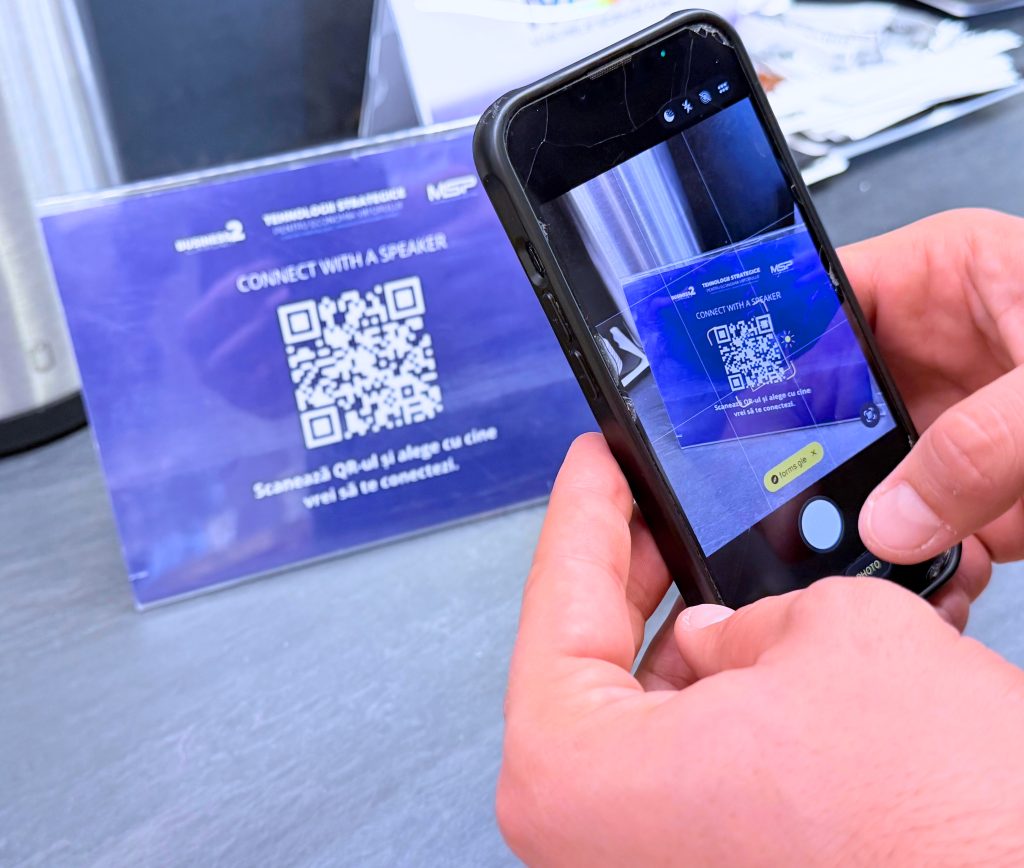
The Technology Matchmaking & Networking session provided an opportunity to continue the dialogue, identify potential partners and explore new collaborations.

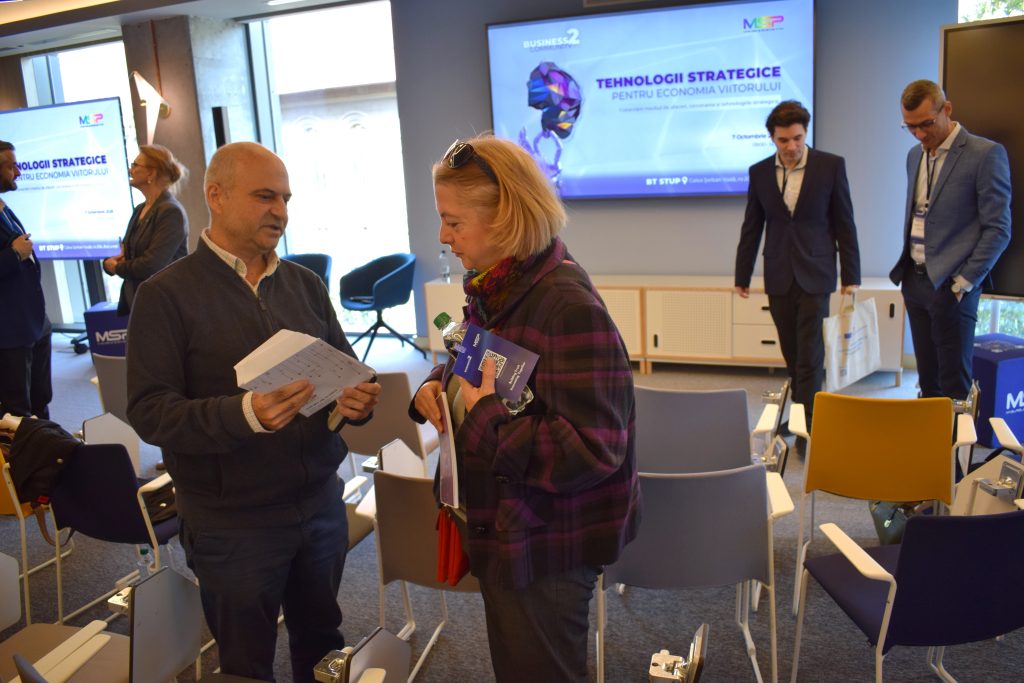

Technology does not achieve impact through the efforts of a single actor. Progress depends on connections between those who develop technologies, those who need them and those who can support their validation, funding, production and commercialisation.
Technology → Application → Market → Partnership → Impact.
This is the pathway that the Măgurele Science Park Association supports by connecting business with research and opportunities for collaboration.
The #B2Com – Strategic Technologies for the Economy of the Future event was organised by the Măgurele Science Park Association. Follow MSP initiatives to discover technologies, solutions and collaboration opportunities emerging from the community.


